Best Pressure Washing Techniques for Caloundra Decks
Caloundra’s coastal conditions expose outdoor decks to salt, humidity, strong sunlight and seasonal rain. Dirt, algae and leaf litter can make decking slippery, but excessive water pressure can damage timber fibres, strip coatings and mark composite boards. The safest approach is to identify the decking material, loosen contamination with a suitable cleaner and use the lowest effective pressure.
Check Your Deck Before Cleaning
Identify whether your deck is hardwood, treated pine or composite, and check the decking and coating manufacturers’ cleaning instructions. Some products have pressure limits or prohibit pressure washing altogether.
Inspect for loose boards, raised fixings, splinters, rot and peeling finishes. https://caloundrapressurewashing.com.au/commercial-pressure-cleaning/ Repair problems before cleaning. Sweep away sand and leaves, move furniture and protect nearby electrical fittings. For elevated decks, consider where water will fall and whether people, vehicles or stored items underneath need protection.
Choose the Right Technique for Each Material
Hardwood Decking
Use a wide fan nozzle and work with the grain. Even dense hardwood can develop grooves or a furry surface when the nozzle is too close. If pressure washing is permitted, start with a low-pressure setting, test an inconspicuous area and hold the nozzle approximately 30–45 centimetres from the surface initially. Adjust only within the manufacturer’s guidance.

Treated Pine
Treated pine is softer and more easily damaged than many decking hardwoods. A timber-safe cleaner, soft-bristled brush and gentle rinse are often preferable to pressure washing. Avoid trying to remove stubborn stains by moving the nozzle closer, as this can gouge the surface.
Composite Decking
Composite cleaning requirements vary by brand and product range. Follow the manufacturer’s instructions for approved cleaners, nozzle type, maximum pressure and minimum working distance. Do not assume that a setting suitable for timber is safe for composite boards.
A Practical Deck-Cleaning Method
- Choose suitable weather. Work during a cooler, shaded part of the day so cleaner does not dry prematurely. Avoid heavy rain or strong winds.
- Manage runoff. Plan how to contain and collect wash water before applying chemicals or starting the washer.
- Apply a compatible cleaner. Follow the label for dilution and dwell time. Keep the surface damp where instructed and never mix cleaning chemicals.
- Agitate gently. Use a soft-bristled deck brush to loosen algae and grime rather than relying on extra pressure.
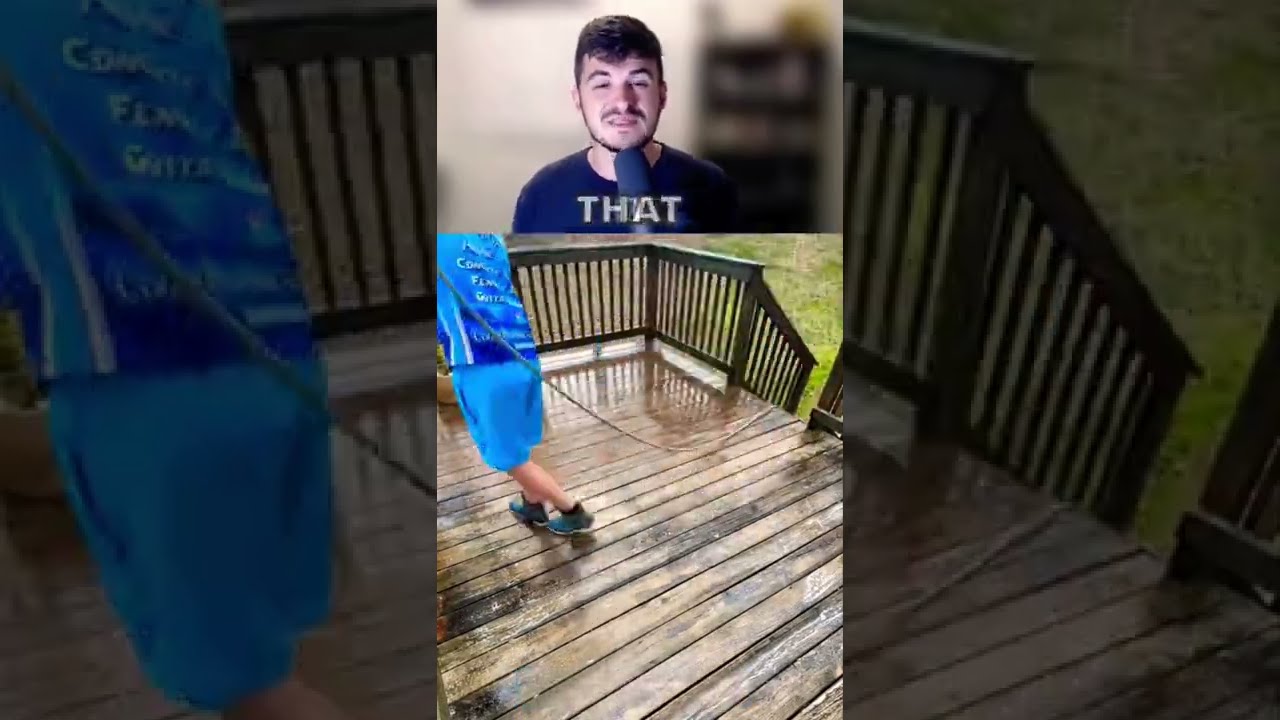
- Rinse in controlled passes. Use a wide fan, maintain a consistent distance and keep the wand moving along the grain. Avoid concentrated jets, turbo nozzles and spraying into board ends, gaps or building joints.
- Allow thorough drying. Check the surface before returning furniture or applying a finish.
Protect Gardens and Caloundra’s Waterways
Do not direct detergent, contaminated wash water or stripped coating residue into stormwater drains. Stormwater can carry pollution into local creeks and coastal waters. Sweep up debris first, protect drain inlets and use suitable containment and collection methods. Dispose of collected water and residue according to their contents and current Sunshine Coast Council requirements.
A cleaner labelled biodegradable is not automatically safe for stormwater discharge. Protect plants according to the product instructions, and keep children and pets away until cleaning is complete and the area is safe.

Drying, Recoating and Ongoing Maintenance
Before oiling or sealing timber, follow the coating manufacturer’s drying and moisture requirements. A deck may need 24–48 hours or longer to dry, depending on humidity, shade and airflow; time alone does not confirm that it is ready. Check moisture where required and address raised fibres before recoating.
Regular sweeping, prompt removal of leaf litter and gentle cleaning reduce the need for aggressive washing. For deteriorated timber, extensive slippery growth or uncertain coating compatibility, choose a deck-cleaning professional who assesses the material, explains the cleaning method and manages wastewater responsibly.
Caloundra Pressure Washing
(07) 4120 7010